
"Strange" Japanese Foods I Want You to Try
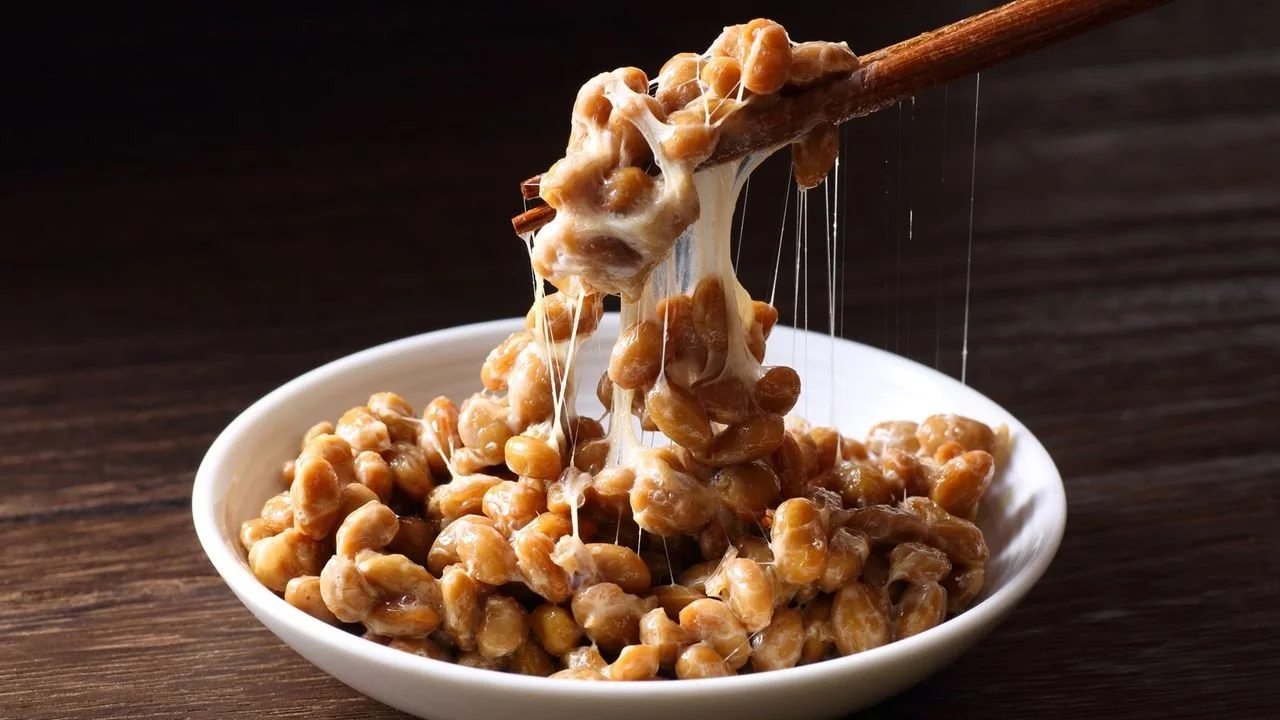
It won’t kill ya and you might grow to like it.
Everyone knows sushi and ramen. Some people even know tonkatsu1 (if you're thinking about a flavor of ramen then you don't know). However, there are many "exotic," "strange,” and perhaps "gross/unappealing" foods that I think those with "taste" (pun both intended and unintended) may come to enjoy.
- Nattoh 納豆 - Fermented soy beans. High in protein and other "super food" bullshit, this stuff is a bit pungent (think stank ass French cheese) and stringy and sticky and gooey (think the slime characters in an SF horror movie discover before being devoured). Mix in tiny packet of light soysauce and karashi (Japanese hot mustard), mix well, and pour on rice. Enjoy for breakfast.
- Shutoh 酒盗 - The kanji for this Kochi Prefecture originating delightful side dish literally means "sake thief". I guess the idea is that it goes so well with nihonshu (what westerners refer to as sake) that you'll be emptying more than a couple of tokkuri (little sake serving bottles) before you know it. By the way, shutoh is the salted/fermented guts of katsuo (bonito), a fish that is often at its best when eaten fresh, char-grilled with dried grass off the coast of Kochi. Yes, it's the same fish as those brown shavings on top of tofu and other dishes that you've had at a Japanese restaurant.
- Shirako 白子 - Cod sperm gland (apparently milt in English, who knew?). The kanji, if you can read basic kanji you know, stand for white children- gross yet appropriate. Creamy (no shit) like ice gelato of the sea. Eat raw, dipped in ponzu (vinegar soy sauce) or have it sautéed in butter shirako-battah style. Yummy.
- Basashi 馬刺 - Raw horse meat. Traditionally eaten in Kumamoto, Nagano, and a few other places, raw horse meat is a lot of fun. I say fun because the different parts of the horse have different textures, fat content, and flavors, just like different cuts of beef. Examples include tategami (the fat around the head, behind the mane) and even toro (the belly meat). Though unlike tuna, this meat is sparsely marbled like good lean steak rather than outright fatty like tuna toro. Dip in soy sauce along with grated ginger and garlic. Interestingly, I know it exists but I've never had horse meat hot pot so I have no idea what it tastes like cooked. It might be one of those meats that is best enjoyed uncooked. I'll have to get around to trying it cooked.
- Nama tamago 生卵 - Yes, I know you know what a raw egg is. I also know that Westerners think raw eggs are as dangerous as poison mushrooms or rotten pizza. Obviously, don't do this in a country where it is not typical to eat raw egg unless you accurately know the freshness and sanitization process the egg has undergone. Insert Terry is not liable notice here. Japanese eggs go through a process that makes them safe to eat raw if fresh. Yes, you can still get food poisoning but it is rare (you're more likely to get taken out by that nasty-ass days old chicken salad sandwich you got hanging out in your fridge). In a separate bowl, crack your egg, careful not to get any shell (apparently, most egg based food poisoning is due to the shell), add a dash of soy sauce to your liking (it can get too salty so use caution), stir well with chopsticks, and pour on rice. Some people will be turned off by the snot-like texture. Way to promote, Terry. But, if you use a good egg, the right amount of soy-sauce, mix well, and high quality perfectly steamed sticky rice (I love jasmine rice but save that for your plate of Hainan chicken rice, aka, one of the greatest dishes on the planet but that's another discussion), this simple combo of rice and raw egg can make your day. By the way, power it up by adding the aforementioned nattoh in the mix... taste buds and mind blown.
That's it for now. There's more. There's always more. This will get you started.
- Tonkatsu is fried pork cutlet. Ton means pig/pork and katsu is the short version of katsuretsu, derived from the English word cutlet. What you’re probably thinking of is tonkotsu ramen. Tonkotsu means pork bones, the basis of tonkotsu ramen’s soup. The way to avoid this confusion is to pronounce the cutlet tonKAHtsu and the ramen tonKOHtsu. And yes, many of us Japanese speakers are quite irritated by this, especially when food journalists do it. If you make money talking/writing about food, get it right. Amateur foodies forgiven. But now you know. ↩︎